



Oiled leather has a rugged, lived-in beauty that gets better with age, think hiking boots, work boots, and casual shoes built to take a beating. While it's more forgiving than delicate nappa or polished calfskin, it still deserves a proper deep clean now and then. Old wax, dirt, and dried oils build up over time and stop the leather from breathing. Here's how to strip that away and bring your oiled leather back to life.
What You'll Need
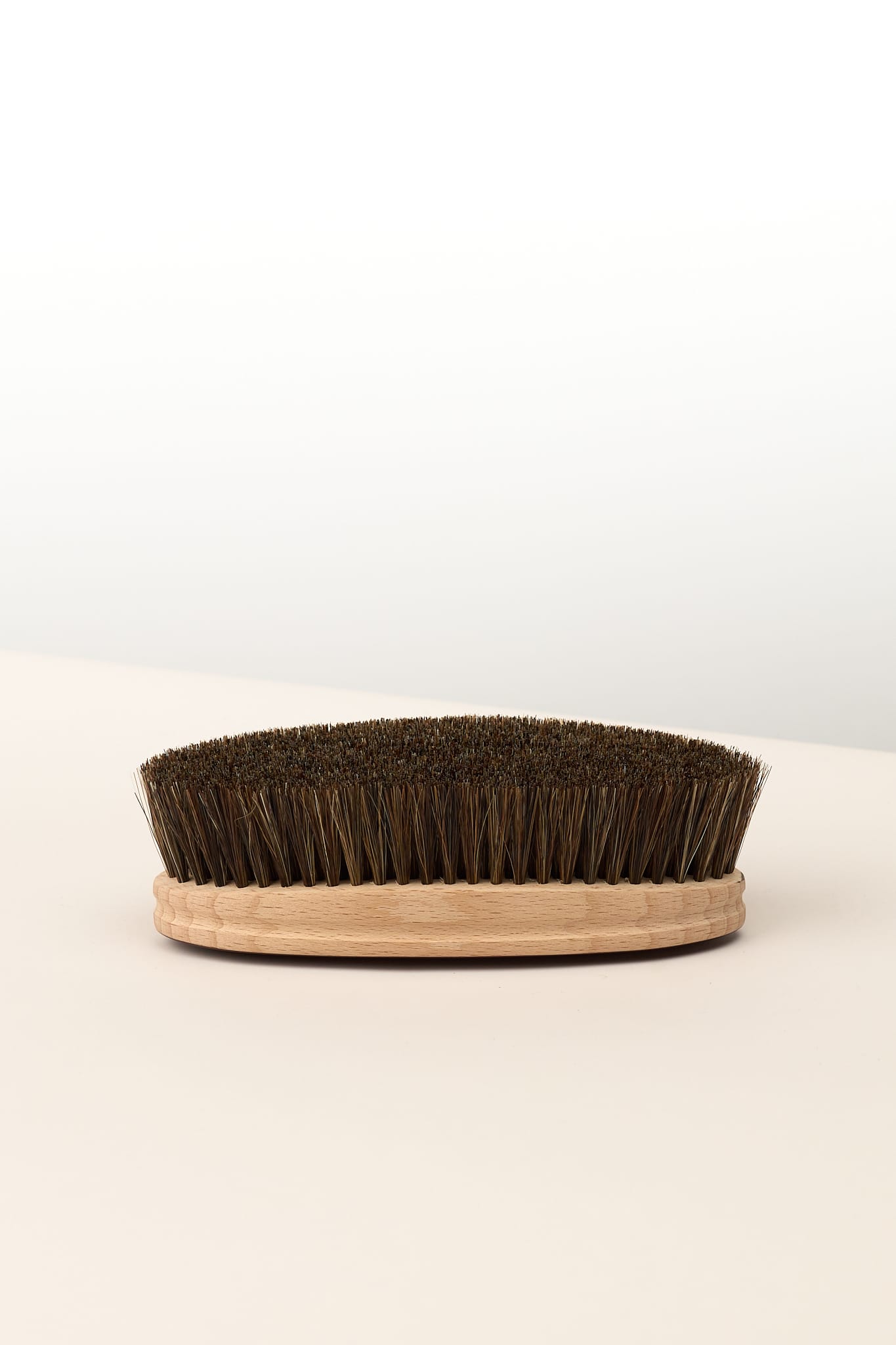
- Horsehair Cleaning Brush, for initial dirt removal and final buffing
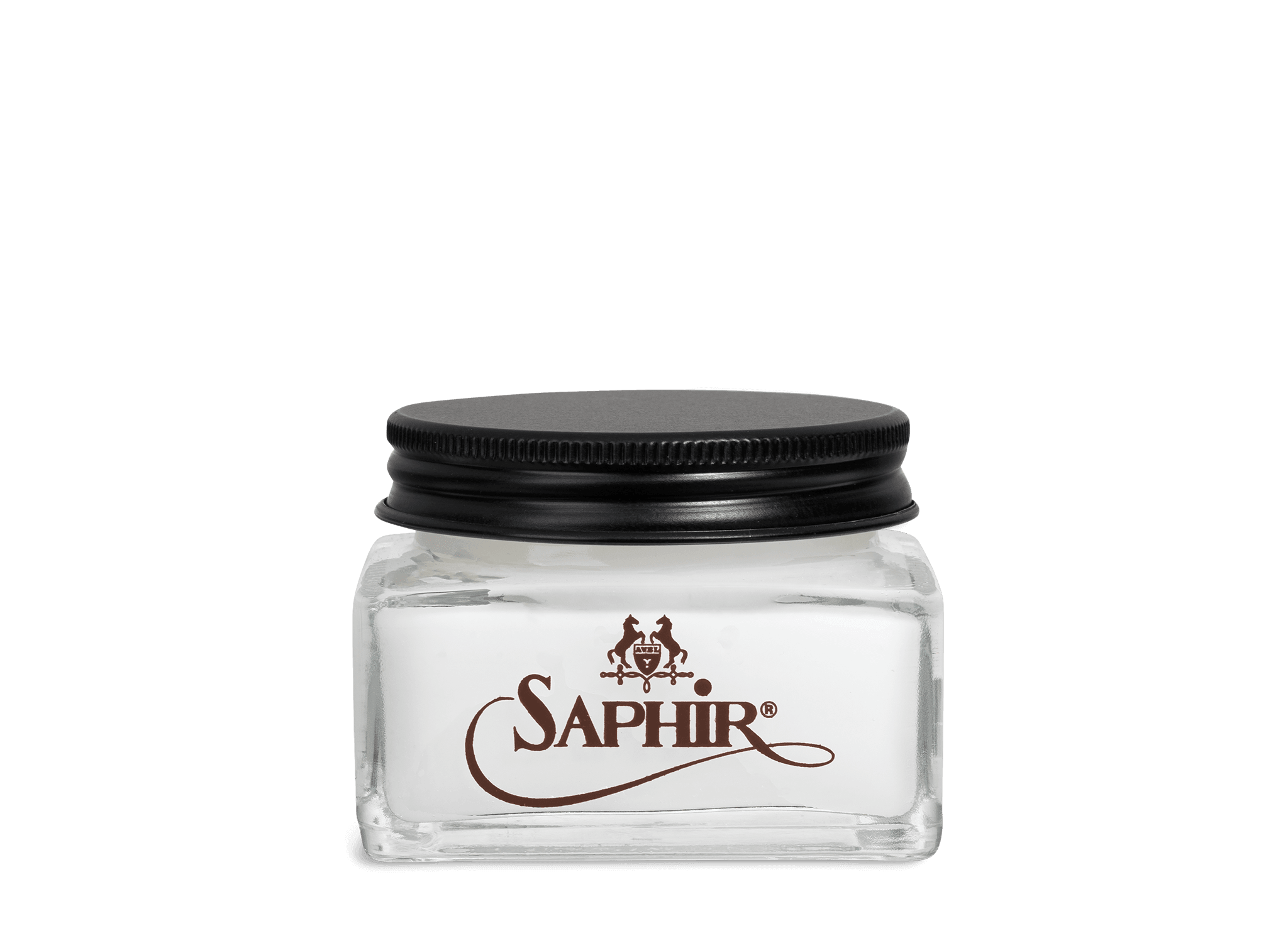
- Cleanser, strips old product buildup without harming the leather
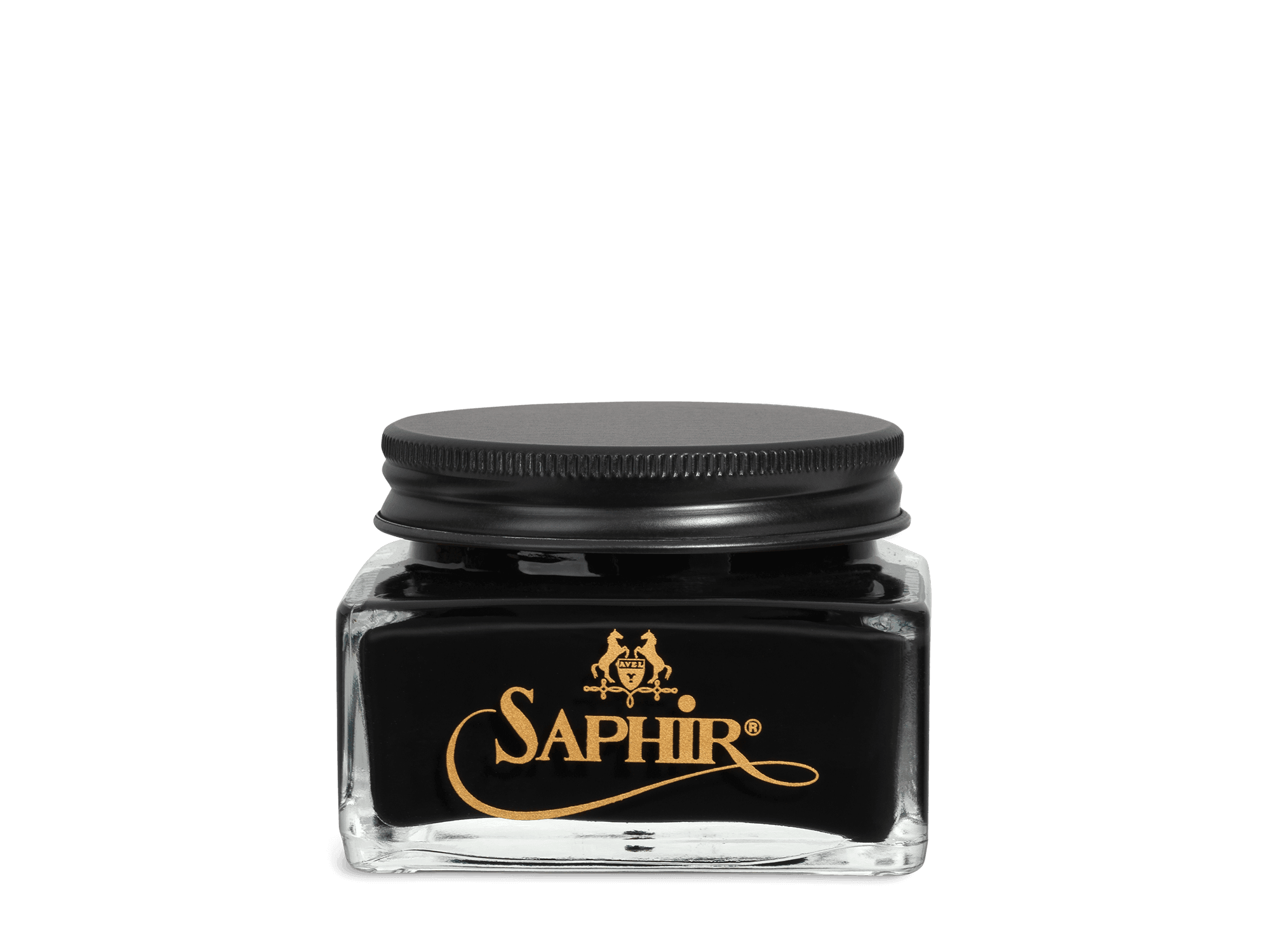
- Mink Oil, deeply nourishes and restores oiled leather's natural suppleness
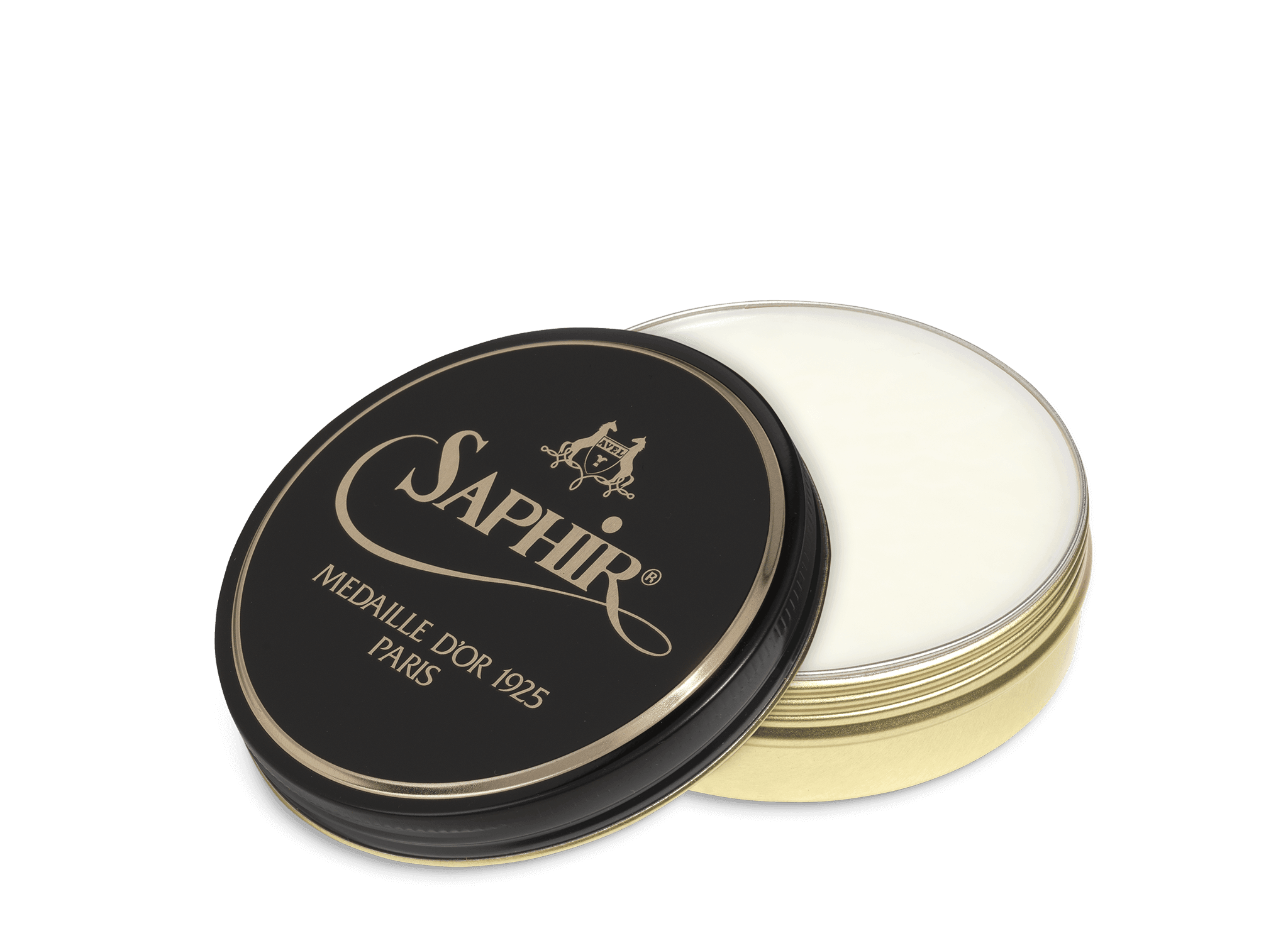
- Dubbin, an alternative to Mink Oil with extra water protection
- Pig Bristle Cream Brush, for working nourishing products into seams and folds
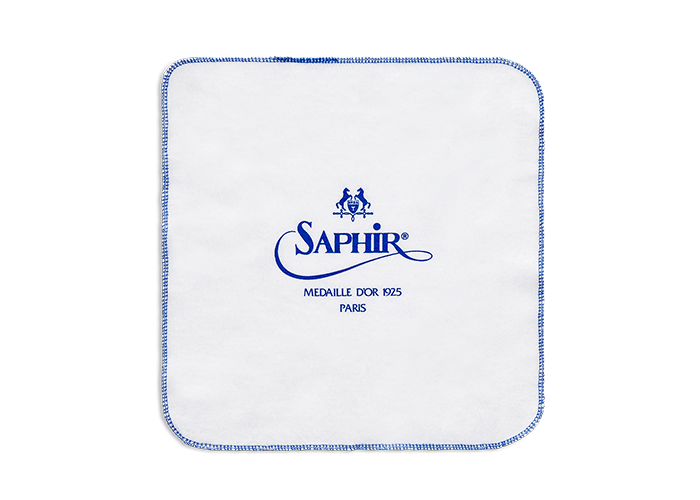
- Polishing Cloth, for the final buff
- Shoe trees
Step-by-Step Guide
1. Prep Your Shoes
Pull out the laces and pop in your shoe trees. Removing the laces gives you full access to the tongue and eyelet area, where grime loves to hide. It's also a great moment to check if your laces are looking tired, if they are, our collection has plenty of options to freshen things up.
2. Brush Away Surface Dirt
Use your horsehair brush to sweep off dust, dried mud, and any loose debris. Get into the welt seam where the upper meets the sole, this is a dirt magnet. Brush firmly but evenly; oiled leather can handle it.
3. Deep Clean with Cleanser
Apply Cleanser to a cloth and work it across the entire shoe in smooth, even strokes. This product is specifically designed to dissolve and lift old wax, dried oils, and accumulated grime without stripping the leather itself. You'll notice the cloth picking up residue you didn't even know was there. Let the shoes dry naturally for a few minutes afterward.
4. Nourish with Mink Oil or Dubbin
Now that the leather is clean and receptive, it's time to feed it. We stock both Mink Oil and Dubbin, they serve the same core purpose of deeply nourishing oiled leather. Mink Oil gives a richer, softer finish; Dubbin adds a heavier layer of water protection on top. Use your pig bristle brush to work the product in, paying special attention to the welt seams and the creases across the toe box where the leather flexes most.
5. Dry and Buff
Let the shoes rest with shoe trees in for at least 15 minutes so the oils can absorb fully. Then give them a good going-over with the horsehair brush to even out the finish, followed by a final gentle buff with your polishing cloth. The result should be a rich, even sheen with leather that feels supple and alive again.
Pro Tips
- Oiled leather is tougher and more forgiving than smooth leather, but it still accumulates old product that blocks the pores, regular deep cleaning every few months keeps it breathing.
- If your shoes regularly face wet conditions, lean toward Dubbin for its superior waterproofing. For everyday wear, Mink Oil keeps things soft and natural-looking.
- Don't skip the welt seams, this is where water sneaks in first, and a good coating of oil here extends the life of your shoes significantly.
- After a deep clean is the best time to apply fresh nourishment, the leather is clean and open, ready to absorb everything you give it.
While you're caring for your shoes, why not treat them to a fresh pair of laces? Browse our full collection to find the perfect match.